


Jesus in the Talmud
Jesus in the Talmud
In stock
Order preparation: Allow up to 10 business days before dispatch. View delivery details. Have a ceremony deadline? Contact us before ordering.
Couldn't load pickup availability
Secure checkout with
Returns and consumer guarantees · Shipping policy
Product identification & specifications
- Product category
- Books
Check the product description for exact materials, dimensions, regalia colours and what is included. If a specification isn't stated, request confirmation before ordering; a similar-looking design may suit a different Constitution.
Only one product image is currently available. Request further photos or close-up details.
Check your regalia before ordering: Need to confirm a Constitution, exact size, materials, or included accessories?
Email us this product and your requirements · Sizing guide · Delivery & preparation
Allow up to 10 business days for preparation before dispatch. For ceremony deadlines, contact us before placing an order. We generally respond to email enquiries within 24–48 hours.
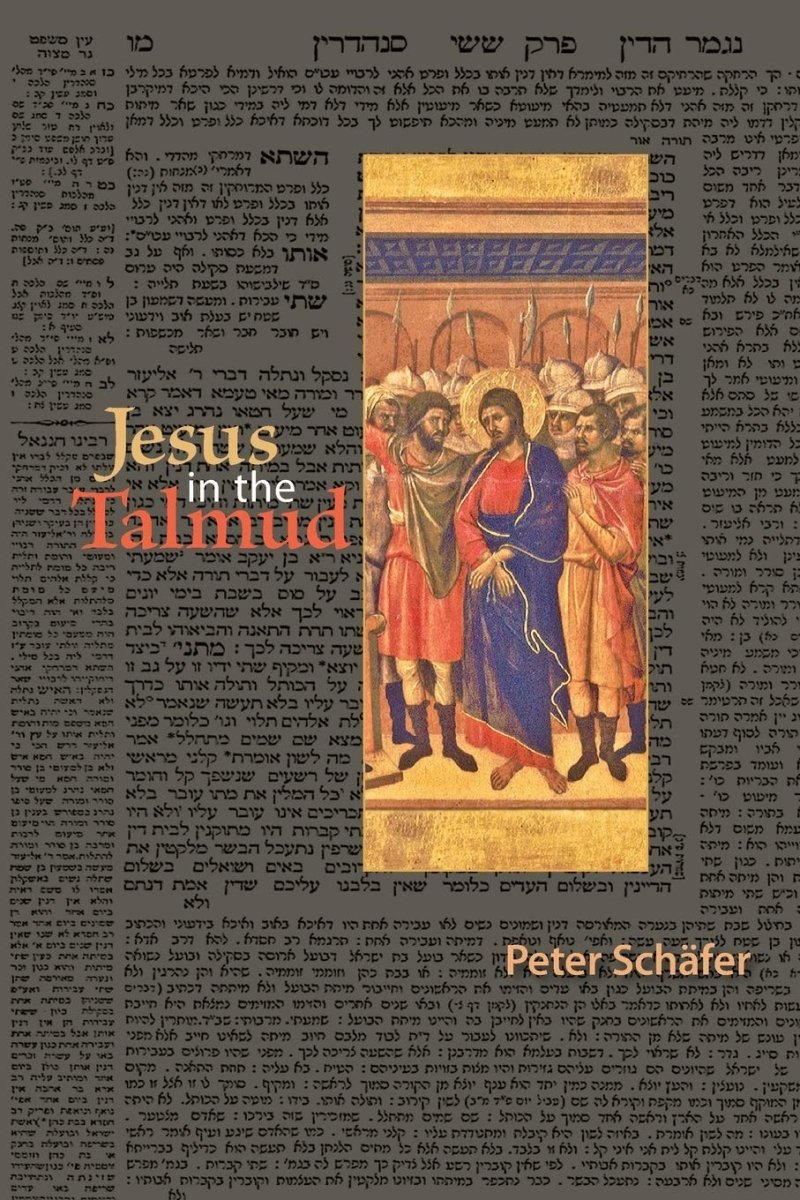
Scattered throughout the Talmud can be found quite a few references to Jesus — and they’re not flattering. In this lucid, richly detailed, and accessible book, Peter Schäfer examines how the rabbis of the Talmud read, understood, and used the New Testament Jesus narrative to assert Judaism’s superiority over Christianity.
The Talmudic stories contest Jesus’ claim to be the Messiah and Son of God, and maintain that he was rightfully executed as a blasphemer and idolater. Schäfer contends these stories betray a remarkable familiarity with the Gospels — especially Matthew and John — and represent a deliberate and sophisticated anti-Christian polemic that parodies the New Testament narratives.
He carefully distinguishes between Babylonian and Palestinian sources, arguing that the rabbis’ countermessage was possible only in the unique historical setting of Persian Babylonia, where the Jewish community lived in relative freedom.
Regalia Guides & Buying Advice
View all-

Genuine Leather Masonic Aprons: Materials and Quality Checklist
How to evaluate a genuine leather Masonic apron, including body material, backing, stitching, lining, fastenings and care.
Genuine Leather Masonic Aprons: Materials and Quality Checklist
How to evaluate a genuine leather Masonic apron, including body material, backing, stitching, lining, fastenings and care.
-

Scottish Knights Templar Regalia: Aprons, Mantles and Jewels
Buying Scottish Constitution Knights Templar regalia? Compare mantles, tunics, jewels, office and sizing before selecting an item.
Scottish Knights Templar Regalia: Aprons, Mantles and Jewels
Buying Scottish Constitution Knights Templar regalia? Compare mantles, tunics, jewels, office and sizing before selecting an item.
-

Red Cross Knight of Babylon Regalia: Scottish Chapter Guide
How to select Red Cross Knight of Babylon regalia for Scottish practice: office, apron, insignia, design and item inclusions.
Red Cross Knight of Babylon Regalia: Scottish Chapter Guide
How to select Red Cross Knight of Babylon regalia for Scottish practice: office, apron, insignia, design and item inclusions.
-

Memphis-Misraïm Regalia: Egyptian Rite Collars and Degrees
A practical guide to Memphis-Misraïm Egyptian Rite collars, degree-specific regalia, jurisdictions and checking exact ceremonial items.
Memphis-Misraïm Regalia: Egyptian Rite Collars and Degrees
A practical guide to Memphis-Misraïm Egyptian Rite collars, degree-specific regalia, jurisdictions and checking exact ceremonial items.


